Pull-up progression: 15 levels from the dead hang to the weighted pull-up
The full pull-up progression from zero: dead hang, band-assisted and jumping pull-ups, controlled negatives, the pull-up, the L-pull-up and the pullover, then weighted pull-ups up to double bodyweight. The bar you pass at each rung.
- 15 rungs
- Levels 0–13
- Hold + Reps + Lowering
- Vertical pull
The pull-up ladder is the one most people need and the one that proves the method best, because it starts below the pull-up and gets you there through the lowering. A dead hang teaches the shoulders the position; jumping and band-assisted pull-ups rehearse the movement; the three-second eccentric builds the pull-up in the half of the rep you are already strong enough to do. The first full pull-up usually arrives within weeks of owning the negatives, and often as a surprise.
Above the pull-up the ladder keeps climbing: the L-pull-up adds the trunk, the pullover adds the top of the range, and then the load becomes added weight, expressed as a multiple of your bodyweight so that the rungs stay honest whoever is climbing them.
A rep counts from a full hang with straight arms to the chin clearly over the bar, with no kick and a controlled descent. Half reps from a bent-arm start are reps of an easier movement.
The rungs
-
Level0
Dead hang
Pass: a solid 6-second hold. Needs a pull-up bar.
-
Level0
Band-assisted pull-up
Pass: 3 clean reps. Needs a resistance band + a pull-up bar.
-
Level1
Jumping pull-up
Pass: 3 clean reps. Needs a pull-up bar.
-
Level2
Pull-up eccentric
Pass: controlled 3-second lowerings. Needs a pull-up bar.
-
Level3
Pull-up
Pass: 3 clean reps. Needs a pull-up bar.
-
Level4
L-pull-up
Pass: 3 clean reps. Needs a pull-up bar.
-
Level5
Pullover
Pass: 3 clean reps. Needs a pull-up bar.
-
Level6
Weighted pull-up +2.5 kg (5.5 lb)
Pass: 3 clean reps. Needs added weight + a pull-up bar.
-
Level7
Weighted pull-up +5 kg (11 lb)
Pass: 3 clean reps. Needs added weight + a pull-up bar.
-
Level8
Weighted pull-up +7.5 kg (16.5 lb)
Pass: 3 clean reps. Needs added weight + a pull-up bar.
-
Level9
Weighted pull-up +10 kg (22 lb)
Pass: 3 clean reps. Needs added weight + a pull-up bar.
-
Level10
Weighted pull-up +12.5 kg (27.5 lb)
Pass: 3 clean reps. Needs added weight + a pull-up bar.
-
Level11
Weighted pull-up +15 kg (33 lb)
Pass: 3 clean reps. Needs added weight + a pull-up bar.
-
Level12
Weighted pull-up +17.5 kg (38.5 lb)
Pass: 3 clean reps. Needs added weight + a pull-up bar.
-
Level13
Weighted pull-up +20 kg (44 lb)
Pass: 3 clean reps. Needs added weight + a pull-up bar.
How Huplito uses this ladder
You never pick a rung yourself. The questions at the start and the calibration session place you on the hardest rung you can own, and the plan writes that rung into your sessions with sets, targets and rests. Holds are counted in seconds and converted to progress at roughly two seconds per rep. Flag pain at shoulder or elbow and the ladder is swapped out until it settles.
Frequently asked questions
How do I get my first pull-up?
Hang, then jump and lower slowly, then lower slower. Three sessions a week of controlled three-to-five-second negatives is the fastest honest route, and the [eccentric article](/learn/eccentric-training-first-pull-up/) walks through it.
Chin-ups or pull-ups?
The ladder is written for the overhand pull-up. A chin-up, palms facing you, is a little easier and a fine way to reach the first rung; the plan treats it as the same movement with a slightly kinder grip.
How do I know when to move up the pull-ups ladder?
When you own the current rung: a solid six-second hold with clean form. A shaky longer hold does not count; six seconds that look the same do.
What equipment does the pull-ups ladder need?
A pull-up bar, a resistance band and added weight, depending on the rung. The first rungs need a pull-up bar.
Can I skip a rung?
Sometimes you can, and usually you shouldn't. Muscles adapt in weeks; tendons and joints take months. The rung you skip is the one your elbows wanted. Huplito makes you pass the bar rather than letting you jump.
Read the rules behind it
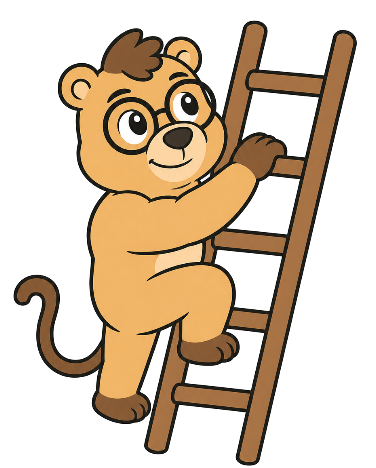
Progressive overload in calisthenics: how to get stronger without adding weight
Your body adapts to exactly the demand you place on it. Here is how bodyweight training raises that demand without a single plate, and why the harder version of a movement beats the twentieth rep.

The push/pull rule that protects your shoulders
For every push in a good bodyweight plan there is a pull. The symmetry is structural, not aesthetic. Desk life already tilts you forward; a plan built on push-ups alone finishes the job.
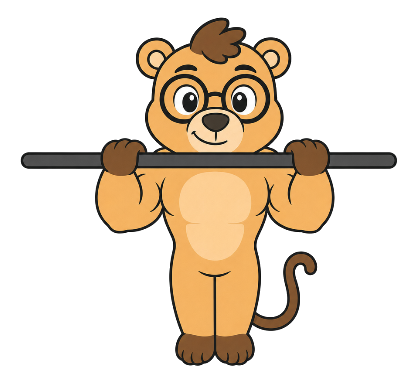
The lowering is the exercise: how eccentrics get you your first pull-up
You can lower far more than you can lift. That gap is the most useful thing in calisthenics, because it lets you train a movement before you can do it. Here is how to use it, and why it works.